Petrol vs Diesel for short journeys: A Complete Guide
Joe Beeston
Owner of Beest Automotive
Choosing between petrol and diesel for short journeys can be a complex decision, especially with the numerous options available on the market today. Understanding the differences between these two fuel types is crucial, as it affects everything from running costs to environmental impact. In this comprehensive guide, we'll delve into the advantages and disadvantages of petrol vs diesel for short journeys, providing you with the information needed to make an informed decision. Whether you're considering a new purchase or evaluating your current vehicle, this guide will help clarify which option aligns best with your driving habits and needs.
Overview of Petrol vs Diesel for Short Journeys
Petrol and diesel engines have long dominated the automotive industry, each offering distinct characteristics that make them suitable for different driving conditions. Petrol engines are generally associated with smoother and quieter operation, making them ideal for city driving and short commutes. They have faster acceleration and are typically cheaper to purchase, but they can be less fuel-efficient than diesel counterparts in the long run. Diesel engines, on the other hand, are renowned for their torque and fuel efficiency, especially on longer trips. However, for short journeys, they may suffer from issues such as particulate filter problems due to incomplete combustion cycles. When deciding between petrol and diesel for short journeys, it is essential to consider factors such as cost of ownership, environmental impact, and maintenance needs. This guide aims to equip you with the comprehensive insights necessary to determine which fuel type best suits your lifestyle and budget.
Engine Options and Performance
The performance of petrol vs diesel engines varies significantly, impacting their suitability for short journeys. Petrol engines typically offer higher horsepower, which translates to better acceleration and a more responsive drive. This makes them particularly appealing for urban driving where quick manoeuvres are often required. Diesel engines, while offering superior torque, are more efficient at maintaining speed, which is advantageous on motorways but less so in stop-start traffic. For short journeys, especially in city environments, petrol engines might offer a more enjoyable and practical driving experience. Additionally, modern petrol engines have closed the fuel efficiency gap with diesels, especially for city driving, thanks to advancements in turbocharging and direct fuel injection technologies. At Beest Automotive, you can see what we have available that includes both petrol and diesel options, allowing you to compare performance directly.
Interior and Practicality
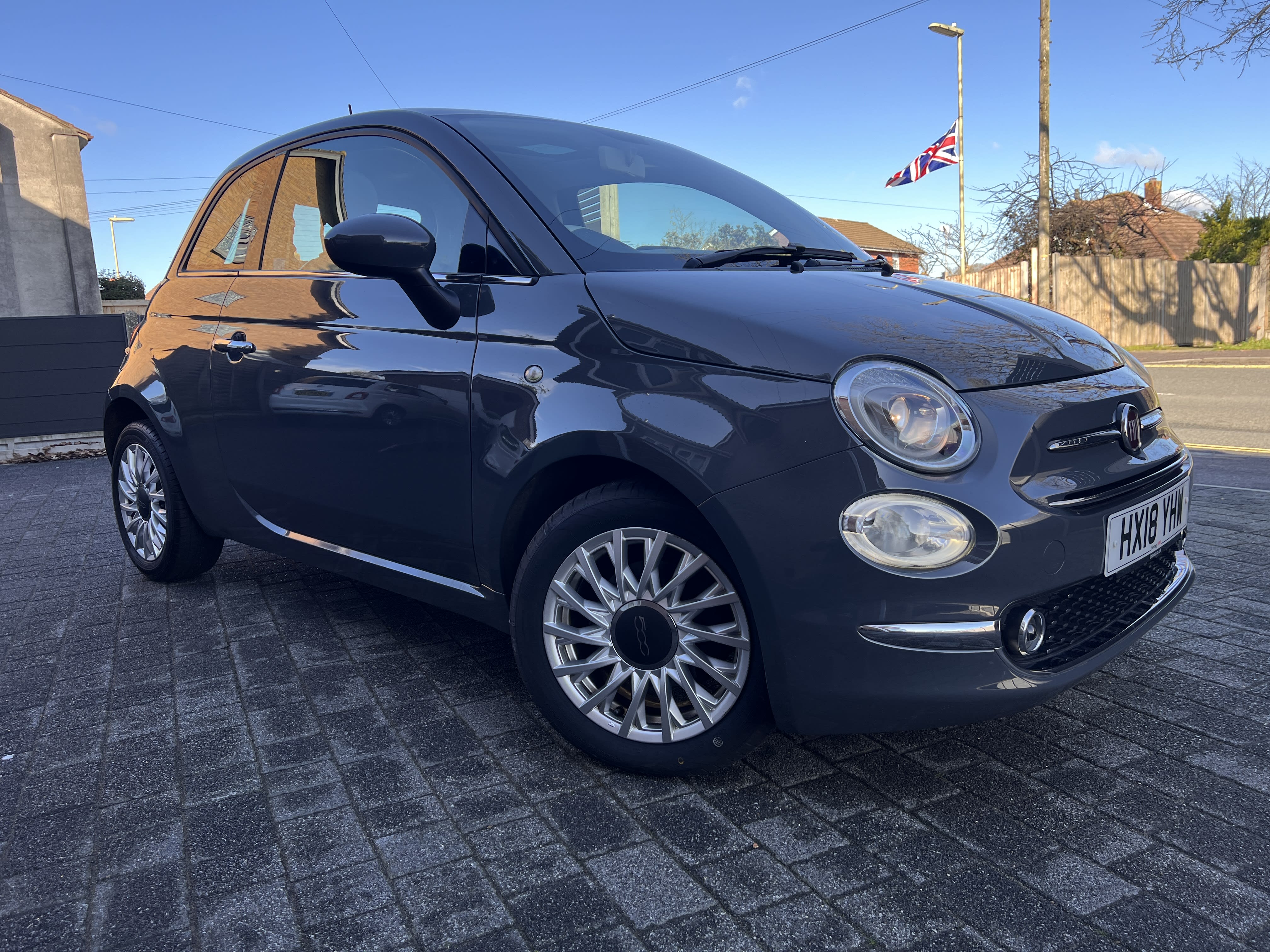
When it comes to interior features and practicality, the choice between petrol vs diesel does not directly affect this aspect of a vehicle. However, the type of engine can influence the overall weight and balance of a car, which in turn might affect the interior space and handling. Petrol engines are typically lighter, which can contribute to a more balanced and agile driving experience. This is particularly advantageous in smaller vehicles often used for short journeys. Diesel engines, being heavier, might reduce the nimbleness but offer a more robust build, which can be preferred for vehicles that also serve longer trips occasionally. Inside, both types can offer a range of modern conveniences such as infotainment systems and comfortable seating, but always check the specific features on offer. Beest Automotive stocks a variety of models, like the 2018 FIAT 500 LOUNGE in stock, which is a perfect example of a petrol engine car that combines style with practicality.
Running Costs and Maintenance
Running costs are a pivotal factor when choosing between petrol and diesel vehicles for short journeys. Petrol cars generally have lower initial purchase prices, as seen with options like the 2018 FIAT 500 LOUNGE in stock at Beest Automotive. They also tend to have lower maintenance costs because petrol engines are simpler and have fewer components prone to wear. However, diesel engines, although more expensive upfront, can offer better fuel economy, which might offset the initial cost over time, especially if you cover longer distances periodically. Diesel engines may require more frequent servicing and are subject to issues like diesel particulate filter (DPF) clogging if used primarily for short trips where the engine does not reach optimal operating temperature. It's worth checking the check running costs on Parkers to better understand these expenses. Insurance can also vary, typically being slightly higher for diesel vehicles due to their higher purchase price. At Beest Automotive, you can explore finance options to find a plan that suits your budget.
Key Specifications
Engine1.2 Litre Petrol / 2.0 Litre Diesel
Power70 bhp / 150 bhp
Fuel Economy45 mpg / 60 mpg
Boot185 litres / 625 litres
InsuranceGroup 7 / Group 15
Price Range£6,995 - £12,295
Common Problems and What to Check
Both petrol and diesel engines come with their own set of common issues. For petrol vehicles, one might encounter problems related to spark plugs and fuel injectors, which can affect performance and fuel efficiency. Regular servicing can mitigate these issues. Diesel engines may suffer from diesel particulate filter (DPF) problems, especially if the car is not driven on long trips regularly, which allows the DPF to regenerate. Additionally, older diesel engines might face issues with turbochargers and injector systems, which can be costly to repair. When considering a used diesel, it's crucial to check the MOT history for any recurring issues. At Beest Automotive, our selection of vehicles undergoes thorough inspections, ensuring that potential issues are addressed before they reach the customer. If you're uncertain, speak to our team for an expert opinion.
Which Version Should You Buy?
Choosing the right version of a petrol or diesel vehicle for short journeys depends largely on your specific needs and driving habits. For those who predominantly drive in urban settings with frequent short trips, a petrol engine vehicle might be more suitable due to its lower maintenance requirements and smoother operation in stop-and-go traffic. Models like the 2018 FIAT 500 LOUNGE are excellent examples of petrol cars that offer comfort and efficiency for city driving. If your short journeys occasionally include longer trips, a modern diesel engine could provide better fuel economy. The 2015 FORD S-MAX ZETEC TDCI 140, available at Beest Automotive, is a versatile option that balances diesel efficiency with practical space for family outings. Ultimately, consider factors such as budget, intended use, and personal preference when making your decision. Beest Automotive's experts can assist you in choosing the right model that aligns with your lifestyle.
Comparison with Rivals
When considering petrol vs diesel for short journeys, it's also important to evaluate how these vehicles stack up against competitors. For instance, the Volkswagen Polo, available in both petrol and diesel variants, offers a refined driving experience with a well-appointed interior. The petrol variant is particularly noted for its agile handling, making it a great choice for city driving. Similarly, the Vauxhall Corsa provides a balanced option with its efficient petrol engines and affordable pricing. The diesel version of the Renault Clio, although less common for short journeys, offers impressive fuel efficiency for those who occasionally cover longer distances. Each of these competitors brings unique strengths to the table, and choosing between them will depend on personal preferences and specific requirements. Comparing these models with options like the 2023 SUZUKI SWIFT SZ-L DUALJET MHEV at Beest Automotive can provide further insights into which vehicle might best suit your needs.
Pros
Lower maintenance costs for petrol engines
Better fuel economy in diesel for longer trips
Petrol engines offer smoother city driving
Diesel engines provide higher torque
Cons
Diesel engines require more maintenance
Petrol engines less fuel-efficient on long trips
Higher purchase cost for diesel vehicles
Diesel particulate filter issues on short journeys
Is petrol or diesel better for the environment?
Petrol engines typically emit less nitrogen oxides and particulate matter compared to diesel engines, making them generally better for the environment in urban settings. However, diesel engines produce less CO2 per mile, which can be a consideration for longer journeys. Recent advancements in both petrol and diesel technologies have reduced their environmental impact significantly, with many models now complying with strict emission standards. It's important to consider the specific emissions profile of a vehicle when evaluating its environmental impact.
How does driving style affect petrol vs diesel choice?
Driving style heavily influences the choice between petrol and diesel. For those who enjoy a more spirited driving experience with quick acceleration and frequent short trips, petrol engines are often more satisfying due to their responsive nature. Conversely, if your driving involves more steady cruising and occasional long distances, a diesel engine's fuel efficiency and torque can be advantageous. Evaluating your typical driving habits will help determine the most suitable engine type for your needs.
What are the long-term costs of owning petrol vs diesel?
Long-term costs include fuel expenses, maintenance, and potential repair costs. Petrol vehicles often have lower maintenance costs due to the simplicity of the engine design but can be less fuel-efficient compared to diesel. Diesel vehicles, although more fuel-efficient, may require more frequent servicing and have higher repair costs due to components like the DPF and turbocharger. It's essential to weigh these factors along with initial purchase price and personal driving needs when considering long-term ownership costs.
Ready to Find Yours?
Browse our handpicked selection at Beest Automotive
Joe is the owner of Beest Automotive, an independent used car specialist based in Fareham. With years of hands-on experience buying, preparing and diagnosing modern vehicles, Joe focuses on high retail standards — from careful vehicle sourcing to accurate fault investigation.
He regularly carries out professional diagnostic scans and vehicle health checks for customers across Fareham and Gosport, providing clear reports and straightforward advice without sales pressure.